Why Do Cats Scratch Furniture and How to Stop — The Real Answers
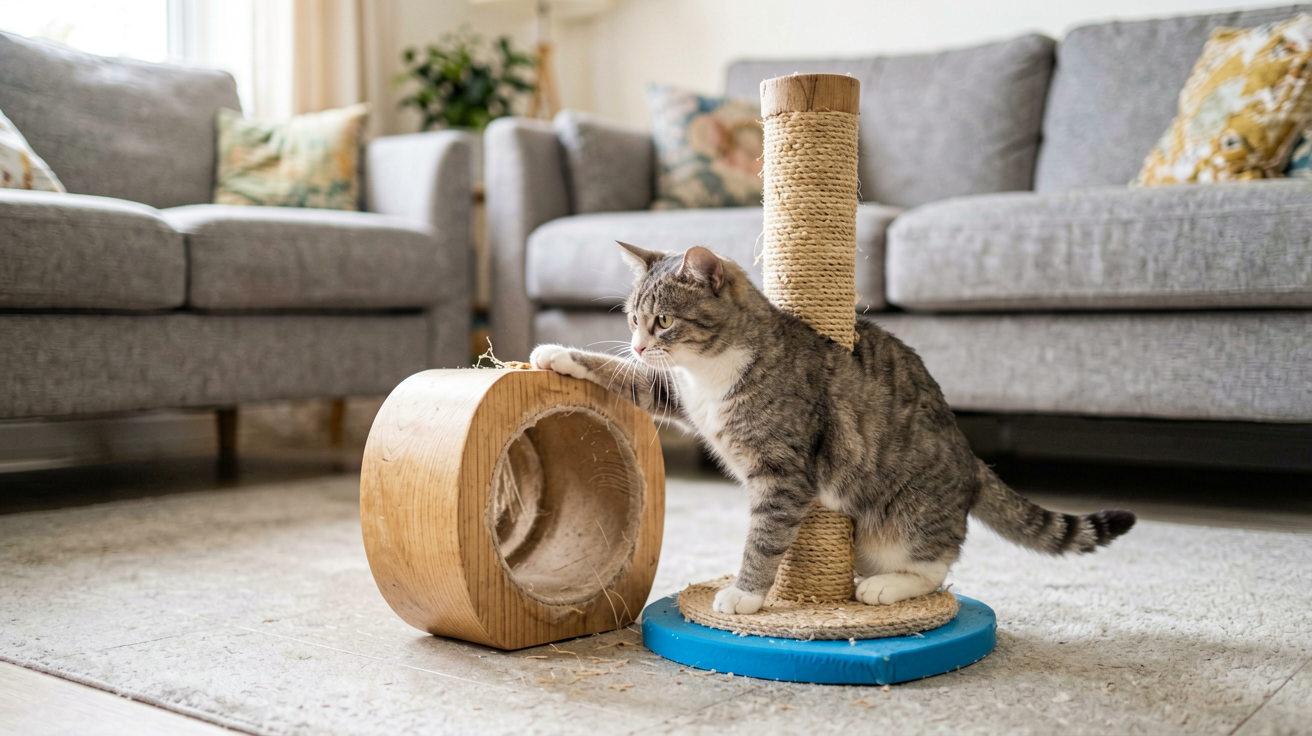
You walk into the living room and see it: fresh claw marks on the corner of your new couch. Your heart sinks. You’ve tried scolding, spraying, even covering the spot with foil — but nothing sticks. If you’ve been asking yourself, “why do cats scratch furniture and how to stop it?” — you’re not alone. Over 70% of cat owners report furniture damage as their top behavioral complaint. But here’s the good news: scratching isn’t your cat being “bad.” It’s a biological instinct. And once you understand the why, the how to stop becomes surprisingly simple.
📋 Table of Contents
Quick answer: Cats scratch furniture to mark territory, stretch muscles, and maintain claw health. To stop it, you must replace the target (your couch) with a more appealing option (a sturdy scratching post) and make the furniture less appealing using double-sided tape or scent deterrents. It takes consistency, not punishment.
Why Do Cats Scratch Furniture? The 3 Biological Reasons
Cooper claimed our armchair within a week of moving in. What finally worked wasn't scolding — it was a tall sisal post placed right next to the chair, plus five minutes of play there every evening. He scratches the post now because it's the easiest, best option, not because he was told off.
Before you can solve the problem, you need to know what’s driving it. Scratching isn’t random — it’s hardwired.
1. Territorial Marking (Scent and Visual)
Cats have scent glands in their paws. When they scratch, they leave both a visual mark (the shredded fabric) and a scent mark (from those glands). This tells other animals (or even you): “This is mine.” It’s a form of communication, not destruction. Your cat isn’t attacking your sofa — they’re claiming it.
2. Stretching and Muscle Health
Watch your cat scratch. They extend their front legs, dig in their claws, and pull downward. This motion stretches the muscles in their shoulders, back, and paws. It feels good — like a morning yoga stretch for humans. If your cat scratches right after waking up from a nap, that’s exactly what they’re doing.
3. Nail Maintenance
Scratching removes the outer, dead sheath of the claw, revealing a sharp new nail underneath. It’s like a cat’s version of filing their nails. Without scratching, their claws can become overgrown or ingrown — painful and dangerous.
Now you know why do cats scratch furniture. Let’s move to the actionable part: how to stop it without losing your mind.
5 Proven Ways to Stop Cat Scratching (That Actually Work)
These aren’t theories — they’re tactics used by veterinarians and feline behaviorists. You don’t need to try all five at once. Pick the two that fit your cat’s personality.
Tip 1: Replace the Target with a Better Scratching Surface
Your cat is scratching your couch because it feels good under their claws. A cheap, wobbly scratching post won’t compete. You need something taller, sturdier, and more satisfying than the furniture they’re targeting.
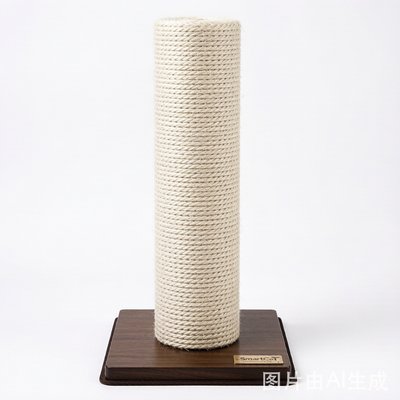
Look for a post that is at least 32 inches tall (so your cat can fully stretch) and made of sisal rope, not carpet (carpet posts encourage cats to scratch carpeted furniture). Place it right next to the spot they’re scratching. After a few days, slowly move it a few inches per day to a more convenient location.
Pro tip: Rub catnip on the new post or use a wand toy to scratch it yourself in front of your cat. They learn by watching.
Tip 2: Make the Furniture Unappealing (Temporarily)
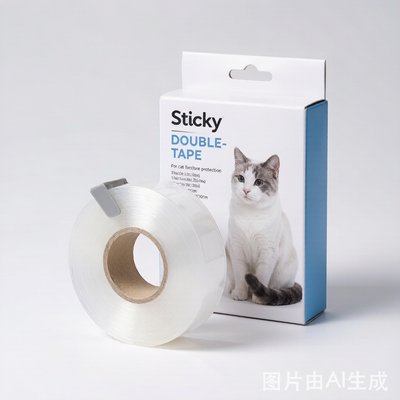
While you’re training them to use the post, make the couch less attractive. Double-sided tape is the gold standard — cats hate the sticky feeling on their paws. Products like Sticky Paws ($8.99 for a 6-pack) are clear and won’t damage most fabrics. Apply strips to the corners or spots your cat targets.
Another option: motion-activated air sprayers like the SSSCAT Spray ($39.99). When your cat approaches the couch, it emits a harmless puff of air. After a few surprises, they’ll avoid the area entirely. No yelling, no stress.
Tip 3: Provide Regular Nail Trims
Sharp claws dig deeper into fabric. If you keep your cat’s nails blunt, the scratching does less damage — and your cat may find the post more satisfying than the couch. Trim your cat’s nails every 10–14 days using a pair of cat-specific nail clippers ($10–$15). Only trim the clear tip — avoid the pink “quick” (that’s the blood vessel).
If your cat hates trims, start by touching their paws while they’re sleepy, then reward with a treat. Go slow. One nail a day is better than a wrestling match.
Tip 4: Use Soft Nail Caps (Vinyl Tips)
These are small, soft vinyl covers that glue onto your cat’s claws. They don’t hurt and they don’t prevent retraction. They simply make the claw blunt — so when your cat scratches, they don’t damage the furniture. Products like Soft Paws (starting at $16.99 for 40 caps) last 4–6 weeks and come in fun colors.
Some cats adapt immediately; others need a day or two. They’re a great temporary solution while you train the scratching post habit. Note: not recommended for outdoor cats (they need sharp claws for defense).
Tip 5: Enrich Their Environment
Sometimes scratching escalates because a cat is bored or stressed. If your cat is under-stimulated, they may scratch more intensely. Add vertical space (cat trees, shelves), puzzle feeders, and daily play sessions (15 minutes, twice a day). A tired, happy cat scratches less.
Consider a wall-mounted cat shelf near a window. Watching birds or squirrels can satisfy their hunting instincts and reduce anxiety-driven scratching.
The One Thing You Should Never Do
Do not yell at, hit, or physically punish your cat for scratching. It doesn’t work — it only makes them fearful of you. They’ll still scratch, but now they’ll do it when you’re not home. Punishment damages your bond and increases stress, which can actually increase scratching behavior. Stick to positive reinforcement: reward them when they use the post, ignore the couch.
Related: How to Remove Pet Hair from Furniture Fast (5 Tricks Worth Trying) | PetHomeHacks
Product Picks: Best Tools to Stop Cat Scratching

FAQ: Your Cat Scratching Questions Answered
Why do cats scratch furniture even when they have a scratching post?
Your post might be the wrong type or placed in the wrong spot. Most scratching posts sold in pet stores are too short (under 30 inches) or too wobbly. Cats prefer a post that lets them stretch fully and doesn’t tip over. Also, if the post is tucked in a corner but your cat scratches your couch in the middle of the room, they may be trying to mark a high-traffic area. Move the post next to the couch.
Is declawing a cat the only way to stop scratching?
No. Declawing is a surgical amputation of the last bone of each toe — it’s illegal in many countries and considered inhumane by the American Veterinary Medical Association. It can cause chronic pain, arthritis, and behavioral issues like biting (since cats lose their primary defense). The methods above work without harming your cat.
What scent deters cats from scratching furniture?
Most cats dislike citrus (lemon, orange), eucalyptus, lavender, and menthol. You can spray a diluted mixture of lemon juice and water on furniture (test an inconspicuous spot first). Commercial sprays like Nature’s Miracle No-Scratch Spray ($10.99) use these scents. Avoid essential oils that are toxic to cats (like tea tree or peppermint) — always check labels.
How long does it take to train a cat to stop scratching furniture?
Most cats show improvement within 1–2 weeks if you’re consistent. Full habit replacement often takes 4–6 weeks. The key is to never let them practice the wrong behavior. Use tape or deterrents during the transition. Once the post becomes their go-to spot, you can slowly remove the deterrents.
Do soft nail caps work for cats that scratch furniture?
Yes, they’re very effective as a temporary solution. Soft Paws caps prevent damage even if your cat continues to scratch the couch. They’re safe and painless. However, some cats dislike the feeling and may try to chew them off. If that happens, try a different brand (some are thinner) or use them only at night. They’re not a permanent fix, but they buy you time to train the scratching post habit.
Related: Why Is My Dog Shedding So Much All of a Sudden? 7 Expert-Backed Reasons & Fixes | PetHomeHacks