How to Stop a Puppy from Biting Without Losing Your Mind
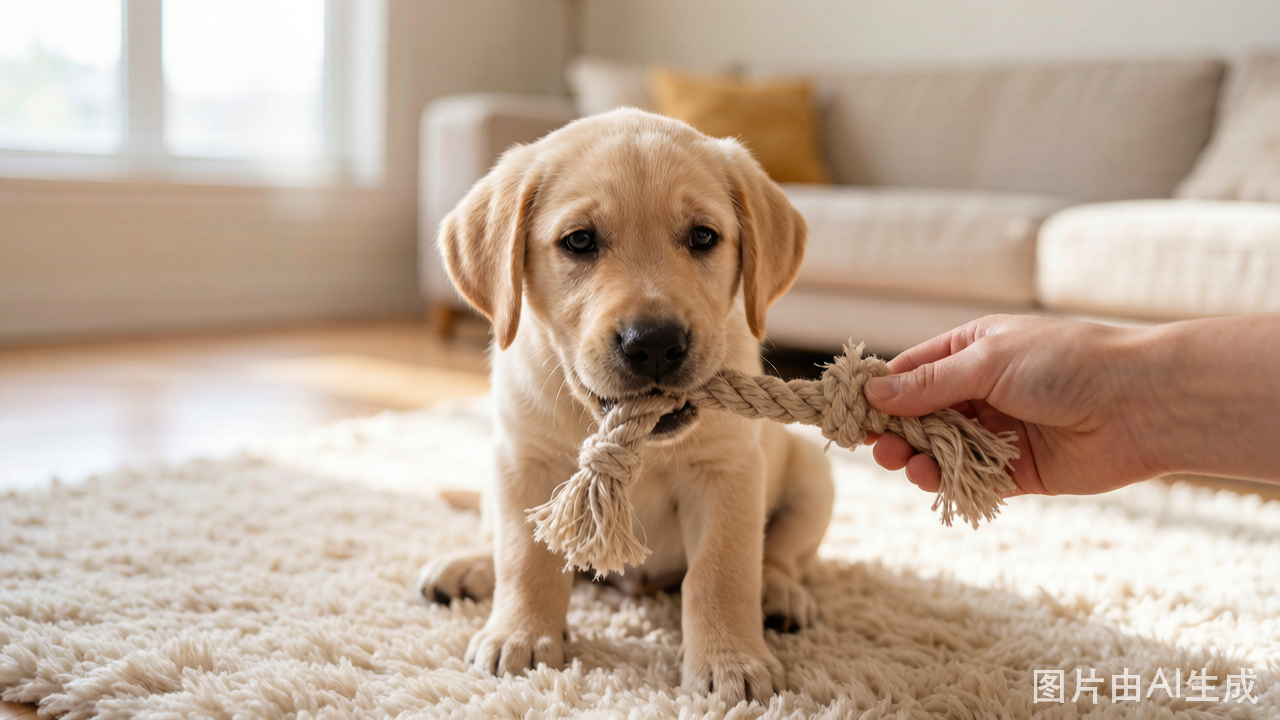
How to Stop a Puppy from Biting Without Losing Your Mind
My ankles looked like they'd been through a cheese grater for about three weeks straight.
That was life with our new Labrador mix, Benny, at 10 weeks old. He wasn't mean. He was just a puppy with a mouth full of needles and zero concept that human skin isn't a chew toy. I'd be walking to the kitchen, and suddenly there'd be a tiny predator attached to my sock. I'd yelp. He'd look thrilled. Then he'd bite harder.
If you're currently living this reality, I promise it gets better. But you do need a plan, because "just wait it out" is a recipe for shredded furniture and a lot of frustration.
Why Puppies Bite in the First Place
Puppies explore the world with their mouths. It's not aggression — it's development. At around 8 to 16 weeks, they're also teething, which means their gums feel itchy and chewing brings relief. On top of that, they're learning something called bite inhibition, which is basically how hard is too hard when using their mouth.
When puppies play with their littermates, the other pup yelps and stops playing when a bite hurts too much. That's how they learn. Our job is to be the substitute teacher now that they're with humans.
What Actually Worked for Us
1. The Yelp-and-Withdraw Method
This sounds silly, but it was the single most effective thing we did. When Benny bit too hard during play, I let out a high-pitched "ouch!" — like a puppy would — and immediately stopped interacting. Arms crossed, no eye contact, totally boring.
For the first few days, he thought this was hilarious. But after about a week of consistency, he started getting it. The moment he used a soft mouth, the game continued. The moment he bit hard, the fun stopped.
The key is timing. You have to react within a second or two. Wait any longer and they can't connect the consequence to the bite.
2. Redirection, Redirection, Redirection
Puppies need to chew. Your job isn't to stop chewing — it's to redirect it to the right things. I kept a rotation of chew toys within arm's reach: a rubber Kong, a rope toy, and a few softer plush toys.
Every time Benny went for my hand, I'd calmly replace it with a toy. Not dramatic. Not angry. Just: "This is what we chew."
Frozen carrots became a lifesaver during teething. I'd peel one, pop it in the freezer, and he'd gnaw on it for 20 minutes. A frozen washcloth tied in a knot worked even better on really bad days.
3. Teaching an Alternative Behavior
I started asking Benny to do something incompatible with biting. Sit. Touch. Place. If he was busy thinking about what I wanted, he had less brain space for biting.
Before play sessions, I'd have him sit. Then I'd reward with a toy and short play. If he bit, game over for 10 seconds. This taught him that gentle play keeps the fun alive.
4. Managing the Environment
When Benny got overtired, he turned into a land shark. That's not a training issue — that's biology. We enforced a one-hour-up, two-hours-down routine. When he got too wild, he went into his crate with a chew toy for a nap.
I'd say 60% of our worst biting episodes happened because he was tired and overstimulated. Puppies need a lot of sleep, and an overtired puppy bites more, not less.
5. Avoiding the Traps That Make It Worse
I made a few mistakes early on. I used to wave my hands in his face during play. That's basically inviting a bite. I also let my kids get on the floor and wrestle with him, which taught him that human bodies are fair game.
We switched to calm floor time. Petting with one hand while feeding a treat with the other helped him learn that hands bring good things, not wrestling matches.
When to Worry
Normal puppy biting has a few telltale signs: it happens during play, the tail is usually wagging, and the puppy can be redirected to a toy. If your puppy is growling with a stiff body, snarling, lunging without warning, or biting hard enough to break skin repeatedly, it's worth consulting a professional trainer or vet behaviorist.
Most normal puppy biting, though, is just puppy biting. Annoying, painful, totally normal.
What the Timeline Actually Looks Like
This isn't a one-week fix. With consistent training, Benny's biting dropped noticeably by 14 weeks. By 18 weeks, it was rare. By 6 months, it was mostly gone except for the occasional overexcited nip.
The biggest mistake I see is people giving up on a method after two days. Puppies need repetition. A lot of it.
Tools That Helped
- **Chew toys**: Kong Puppy, Nylabone Puppy, rope toys
- **Frozen treats**: carrots, washcloths, frozen banana chunks
- **Treats for training**: tiny pieces of boiled chicken or store-bought training treats
- **Crate or playpen**: for enforced naps
If you're shopping, try to choose toys sized for your puppy's mouth. A toy too big is frustrating. A toy too small is a choking hazard.
The Bottom Line
Puppy biting is one of those things that feels like it will last forever when you're in it. It won't. Stay consistent, redirect the chewing, and don't make your hands into toys.
Your future self — with intact ankles — will thank you.
Have you found a trick that stopped your puppy's biting? Drop it in the comments. I know a lot of tired puppy parents who would love to hear what's actually working.
🐾 Enjoyed This Article?
Save it for later, share with a fellow pet parent, or check out more tips on our homepage!