You’re dressed for a meeting, finally ready to walk out the door, and then you see it: a thick layer of golden retriever fur clinging to your black slacks like a bad toupee. You grab the lint roller, but it’s down to the last sticky sheet—and of course, it rips in half. We’ve all been there.
📋 Table of Contents
- 1. Why Skip the Lint Roller?
- 2. Hack #1: The Rubber Glove Trick (Best for Clothes)
- 3. Hack #2: The Squeegee Method (Best for Furniture and Carpets)
- 4. Hack #3: The Damp Sponge Hack (Best for Delicate Fabrics)
- 5. Hack #4: The Painter’s Tape Wrap (Best for Quick Touch-Ups)
- 6. Hack #5: The Pumice Stone (Best for Carpet and Rugs)
- 7. When to Use Which Method
- 8. Bonus: DIY Reusable Lint Roller
- 9. Product Picks
- 10. Frequently Asked Questions
Related reading: Pet Hair
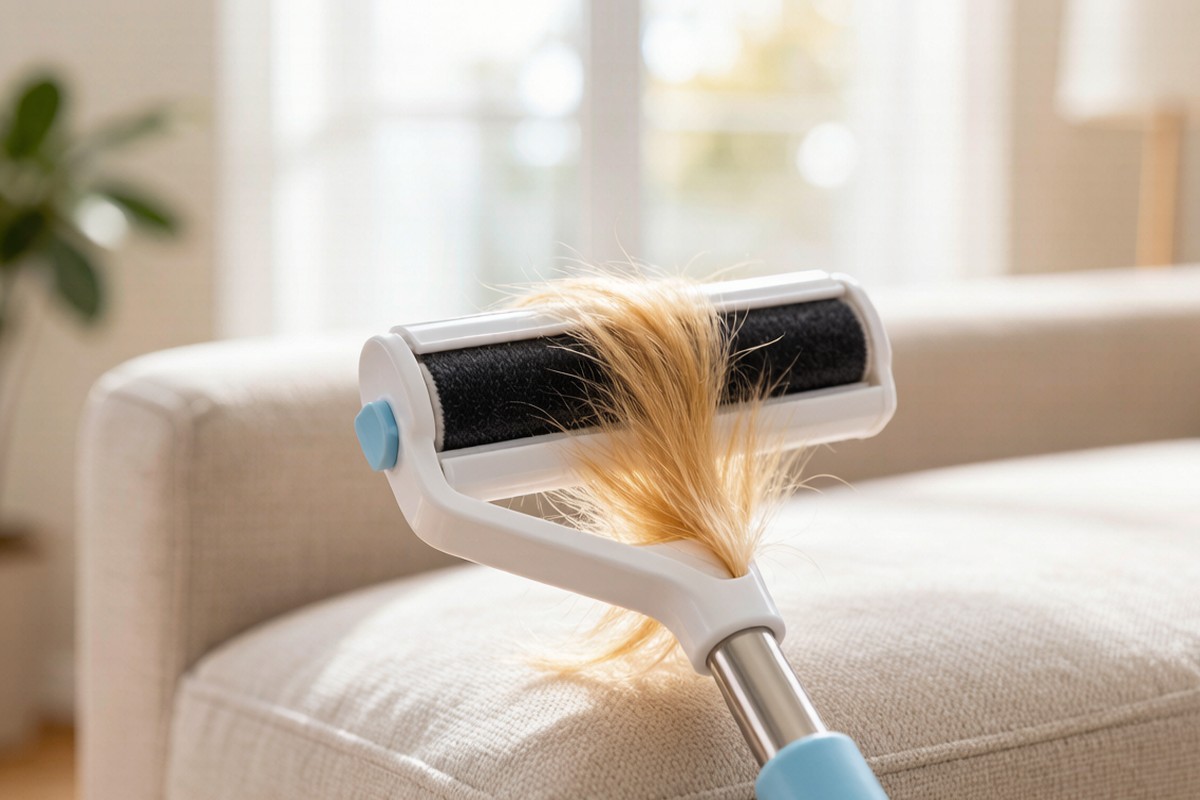
Here’s the good news: you don’t need a lint roller at all. In fact, a DIY lint roller alternative for pet hair often works better, costs less, and never runs out of sheets. From rubber gloves to dish sponges, your home is already full of tools that pull fur off fabric like magic.
Let’s dive into five proven hacks that will change how you deal with pet hair forever.
Why Skip the Lint Roller?
Lint rollers are convenient, sure. But they’re also single-use plastic waste that costs you money over time. A standard refill pack runs about $5–$8 and might last a month if you have a heavy shedder like a Labrador or a Maine Coon. That adds up to $60–$100 a year just on sticky sheets.
Worse, many lint rollers leave a sticky residue on delicate fabrics like velvet or cashmere. And they’re practically useless on car upholstery or thick wool blankets.
A DIY lint roller alternative for pet hair solves all of these problems. You reuse the tool, you save money, and you often get better results—especially on stubborn, embedded fur.
Hack #1: The Rubber Glove Trick (Best for Clothes)
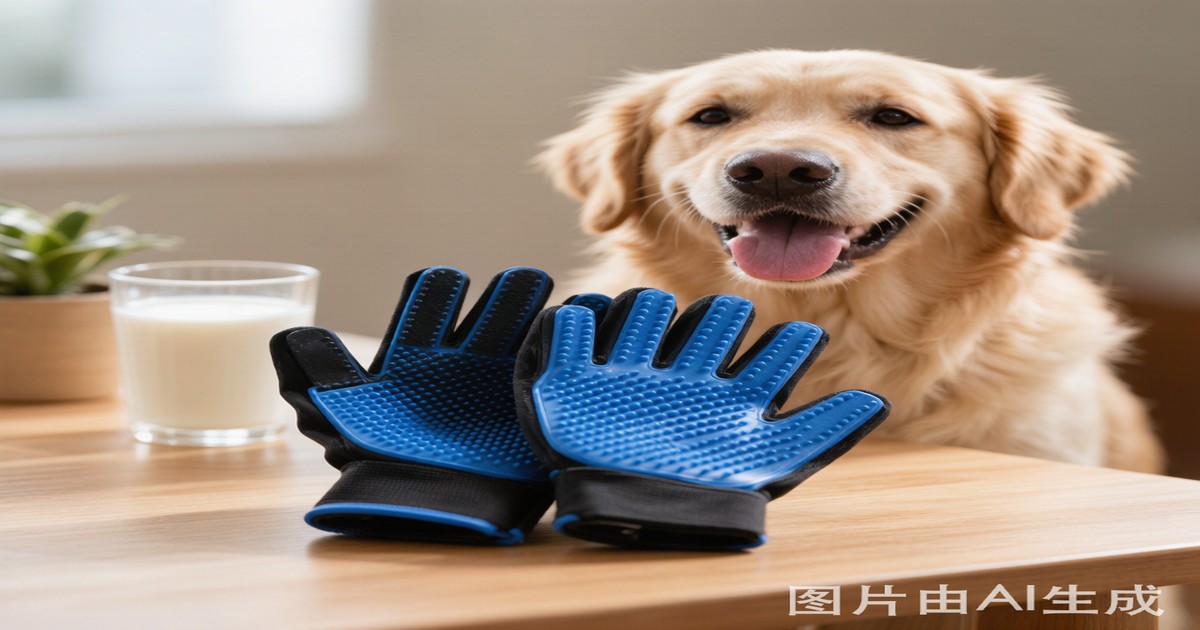
You probably have a pair of yellow rubber dish gloves under your sink. Put one on, dampen it slightly with water, and run your hand over your clothes in long, firm strokes.
The rubber creates static electricity and friction, which grabs pet hair like a magnet. The hair balls up into little clumps that you can just brush off.
Why it works: Rubber has a high coefficient of friction against most fabrics. It literally “grips” the hair rather than relying on adhesive. Plus, you can rinse the glove clean and use it again instantly.
Pro tip: For extra stubborn fur on wool or fleece, use a dry glove first, then a slightly damp one. The combination pulls hair from deep within the fibers.
Hack #2: The Squeegee Method (Best for Furniture and Carpets)
A standard window squeegee—the kind with a rubber blade—is arguably the best DIY lint roller alternative for pet hair on upholstery.
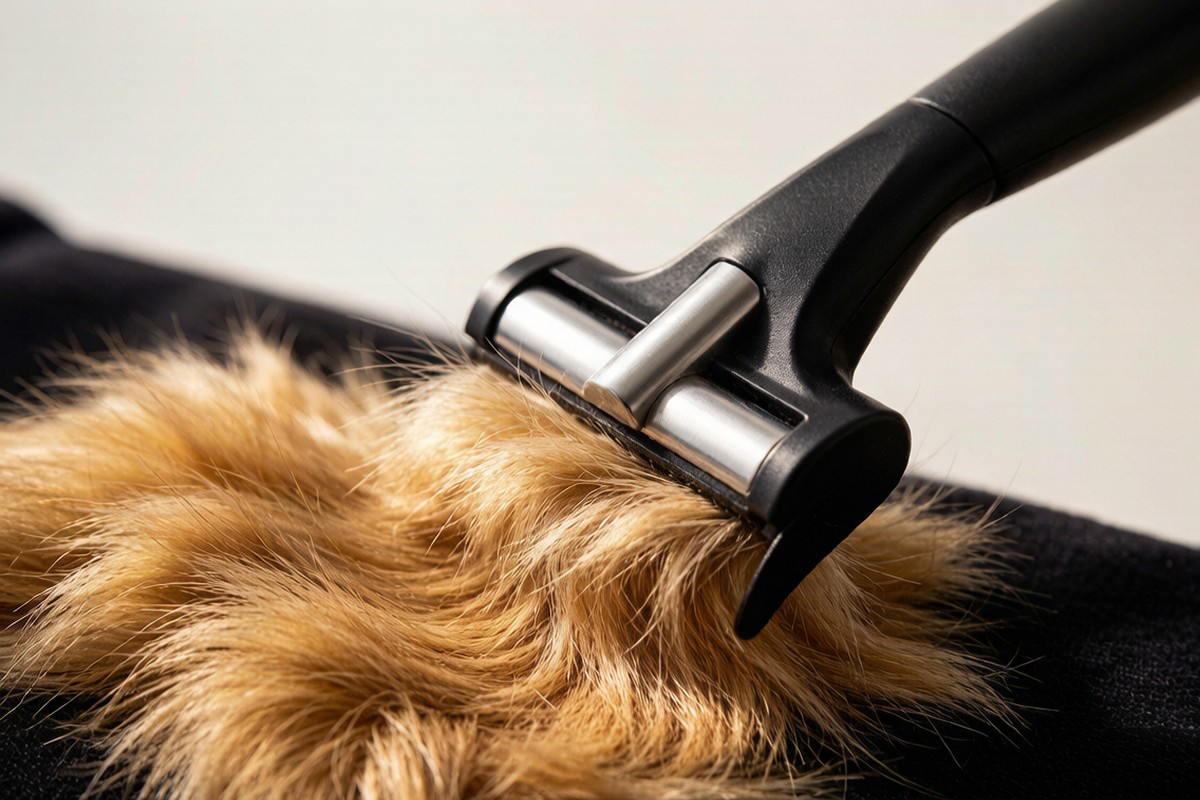
Hold the squeegee at a 45-degree angle and drag it across your couch cushion or carpet. The rubber edge scoops up hair and pushes it into a neat pile. On a microfiber sofa, a single pass can remove enough fur to fill a lint roller’s worth of sheets.
Why it works: The squeegee blade is stiff enough to dislodge hair woven into fabric, but flexible enough not to damage it. It’s especially effective on short-napped fabrics like velvet, corduroy, and car upholstery.
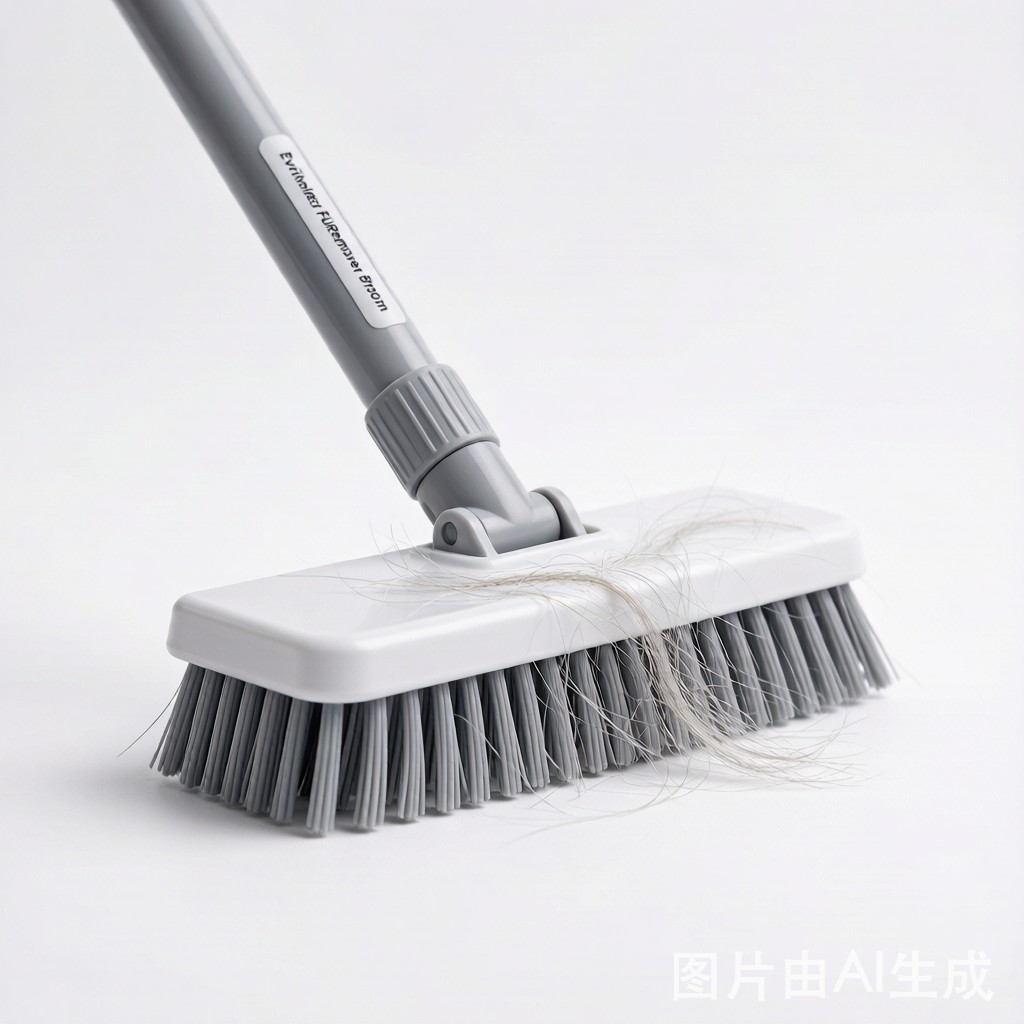
Product pick: The Evriholder FURemover Broom ($14.99 on Amazon) is essentially a squeegee on a stick. It’s designed for carpet and rugs, but you can also use the rubber edge directly on furniture.
Hack #3: The Damp Sponge Hack (Best for Delicate Fabrics)
Got a silk blouse or a cashmere sweater covered in cat hair? Reach for a clean kitchen sponge—the kind with a soft, absorbent side.
Dampen the sponge (not soaking wet) and gently wipe it across the fabric in one direction. The moisture loosens the hair, and the sponge’s pores trap it. Rinse the sponge under the tap and repeat.
Why it works: Unlike a lint roller, the sponge doesn’t rely on adhesive that can damage delicate fibers. The water creates a temporary “grip” that lifts hair without snagging.
Pro tip: Use a Scrub Daddy sponge ($4.99 at most grocery stores). Its FlexTexture material is firm when cold and soft when warm, so you can adjust the stiffness depending on the fabric.
Hack #4: The Painter’s Tape Wrap (Best for Quick Touch-Ups)
If you need a true DIY lint roller alternative for pet hair that mimics the original, grab a roll of FrogTape or 3M Blue Painter’s Tape.
Wrap a strip of tape around your hand (sticky side out) and pat it over your clothes. It works exactly like a lint roller, but you control the size of the sticky surface. Plus, painter’s tape is less aggressive than packing tape, so it won’t leave residue or damage fabric.
Why it works: Painter’s tape has a medium-tack adhesive designed to peel off cleanly. It’s perfect for wool suits, linen pants, and even curtains.
Cost comparison: A roll of painter’s tape costs about $5 and lasts for months. That’s roughly one-tenth the cost of lint roller refills per year.
Hack #5: The Pumice Stone (Best for Carpet and Rugs)
This one sounds wild, but a pumice stone—the kind you use for calluses—is a secret weapon for removing embedded pet hair from carpet.
Hold the stone flat and gently scrape it across the carpet pile. The rough surface lifts the hair without damaging the fibers. You’ll see the fur ball up into little tumbleweeds that you can vacuum up.
Why it works: Pumice is abrasive enough to grab hair, but soft enough not to pull carpet loops. It’s particularly effective on Berber carpet and high-pile rugs where hair gets trapped deep.
Product pick: The Sloan Diamond Pumie Pumice Stone ($3.49 at Home Depot) is cheap, durable, and works on both carpet and pet beds.
When to Use Which Method
| Fabric Type | Best DIY Tool | Why |
| Cotton, polyester | Rubber glove (damp) | Static grip, no residue |
| Wool, cashmere | Damp sponge | Gentle, no snagging |
| Microfiber, velvet | Squeegee | Deep hair removal |
| Suits, dress pants | Painter’s tape | Clean peel, no stickiness |
| Carpet, rugs | Pumice stone | Lifts embedded hair |
Bonus: DIY Reusable Lint Roller
If you really miss the rolling motion, make your own reusable version. Take a foam paint roller (the kind for walls) and wrap it in a strip of Velcro hook tape (the rough side). Roll it over your clothes—the hooks grab hair like a magnet.
Cost: About $3 for the roller and $5 for a roll of Velcro tape. You’ll never buy another lint roller refill again.
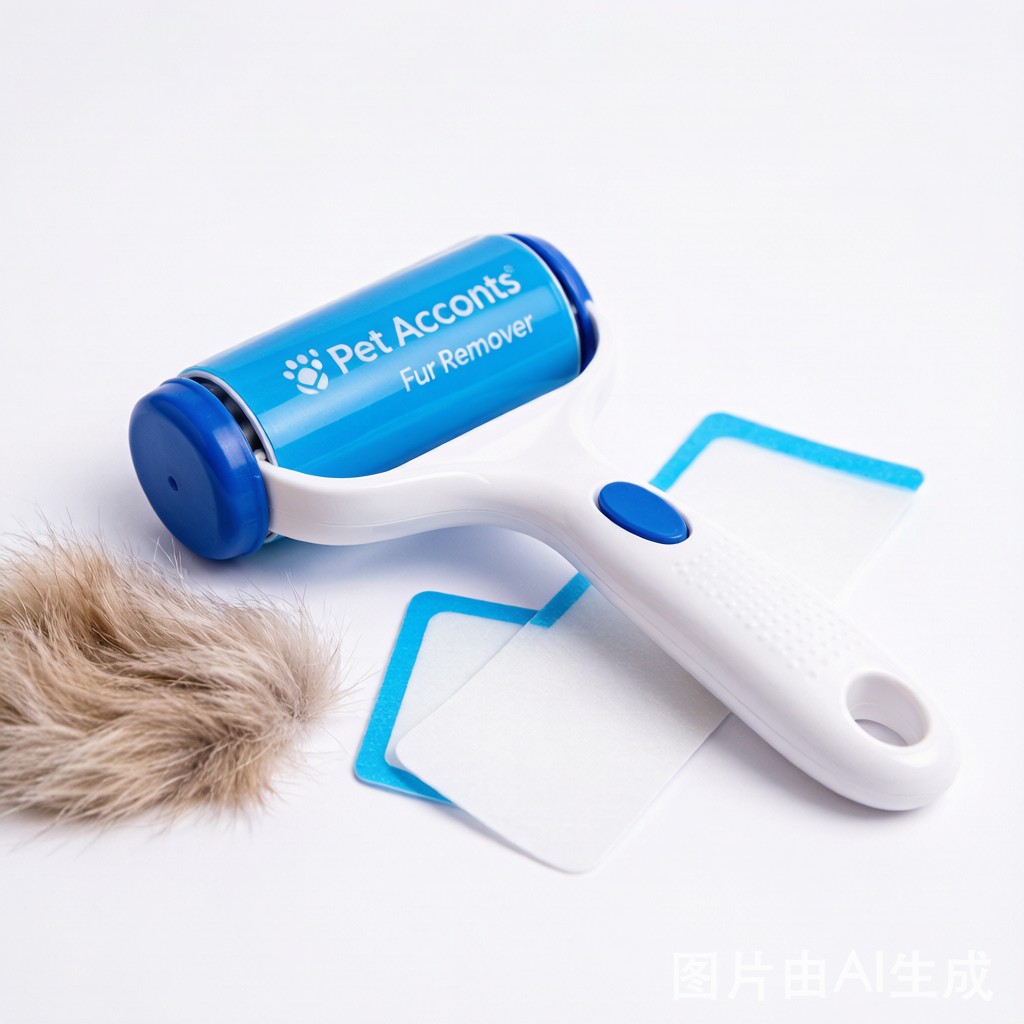
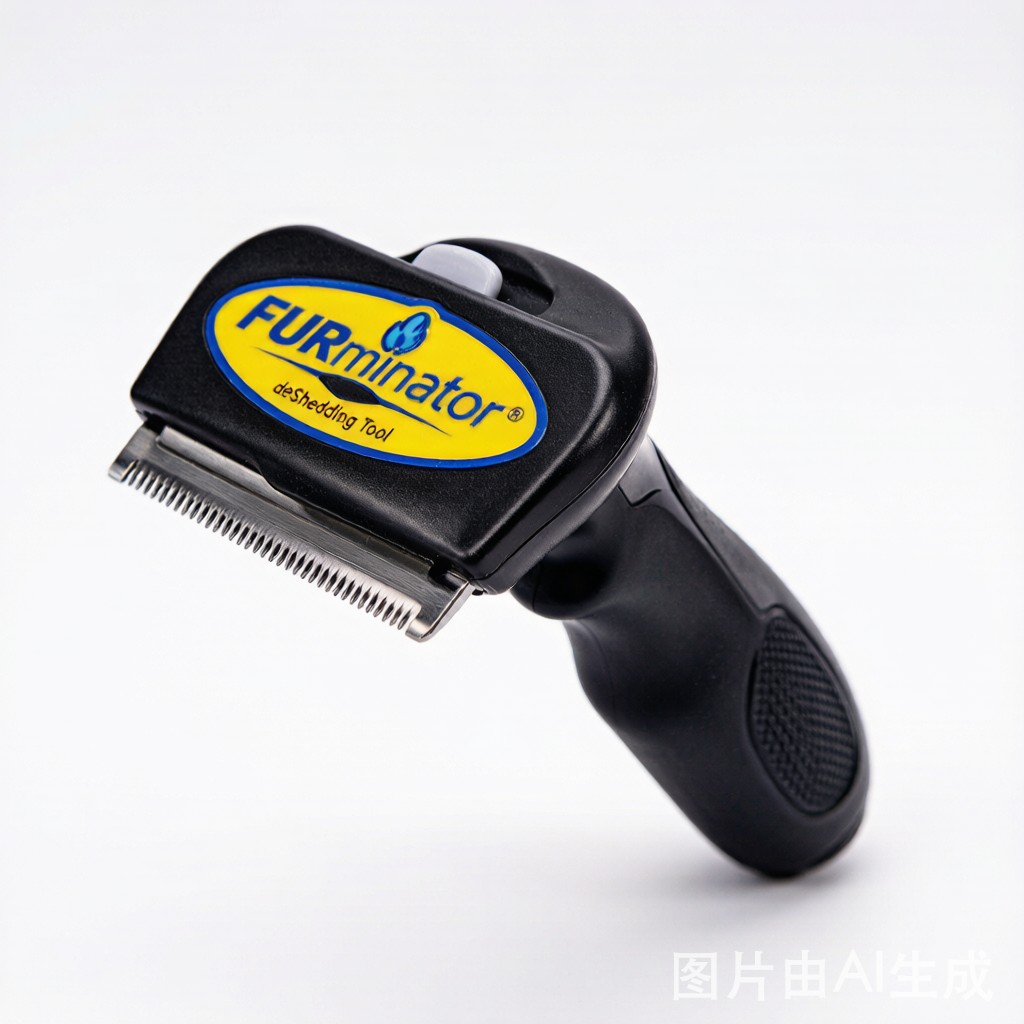
Product Picks
Frequently Asked Questions
What household item works like a lint roller?
A rubber glove, a damp sponge, or a squeegee all work as a DIY lint roller alternative for pet hair. The rubber glove creates static electricity that pulls hair off fabric, while a squeegee’s rubber blade scoops hair from upholstery and carpet.
Does a squeegee remove pet hair from clothes?
Yes, but it works best on flat surfaces like couch cushions and car seats. For clothes, a damp rubber glove or painter’s tape is more practical. Use the squeegee on furniture and the glove on your wardrobe.
How do you make a DIY lint roller with tape?
Wrap a strip of painter’s tape around your hand with the sticky side out. Pat it over the fabric to pick up hair. For a rolling version, wrap a foam paint roller in Velcro hook tape—the hooks grab hair without adhesive.
What is the best homemade pet hair remover for furniture?
The squeegee is the best DIY lint roller alternative for pet hair on furniture. Drag it across microfiber, velvet, or car upholstery at a 45-degree angle. It collects hair in neat piles that you can vacuum up.
Can a pumice stone remove dog hair?
Yes, but only on carpet and rugs. Hold the pumice stone flat and scrape it gently across the carpet pile. It lifts embedded hair without damaging the fibers. Test on a small area first.
For more tips on managing shedding, check out our guide on How Often Should You Bathe a Dog That Sheds? The Real Answer for Less Fur | PetHomeHacks and our Best Dog Brushes for Shedding Short Hair Breeds Review: Our Top Picks for a Fur-Free Home | PetHomeHacks.
📚 Want More Pet Care Tips?
Check out our free printables and digital products for deeper guides: