Best Natural Deodorizers for Home With Pets That Actually Work (2026 Guide)
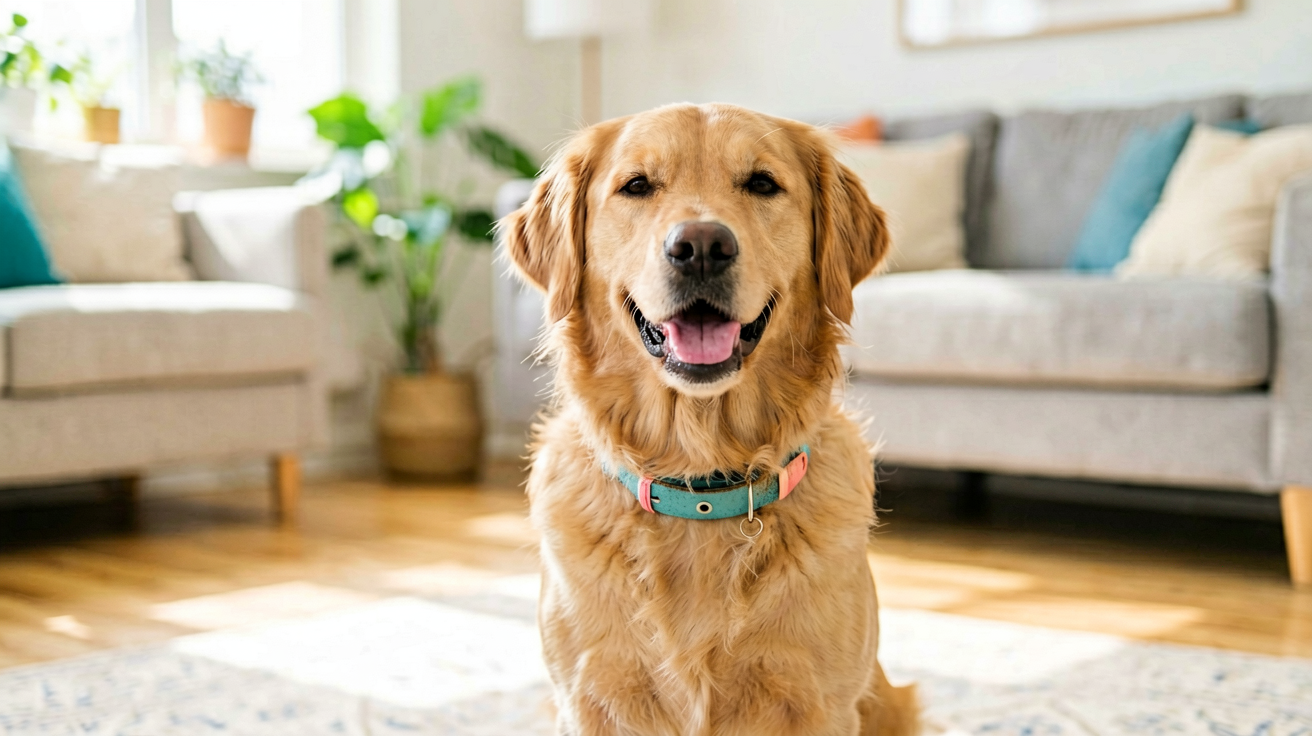
You know the smell. You walk in the door after a long day, and instead of “home sweet home,” you get a whiff of wet dog, litter box, and yesterday’s accident. It’s not your fault—you vacuum, you wash the beds, you light candles. But those candles are just masking the problem with fake lavender, and half of them are toxic to your pets. The real solution is simpler, cheaper, and safer. Natural deodorizers for home with pets don’t just cover up smells—they neutralize them at the source. And you probably have the ingredients in your pantry right now.
📋 Table of Contents
- Quick Answer: The 3-Step Natural Deodorizing System
- Why Your House Still Smells (And Why “Air Fresheners” Make It Worse)
- Recipe #1: The Ultimate Baking Soda Carpet Powder
- Recipe #2: Vinegar Spray for Hard Surfaces and Accidents
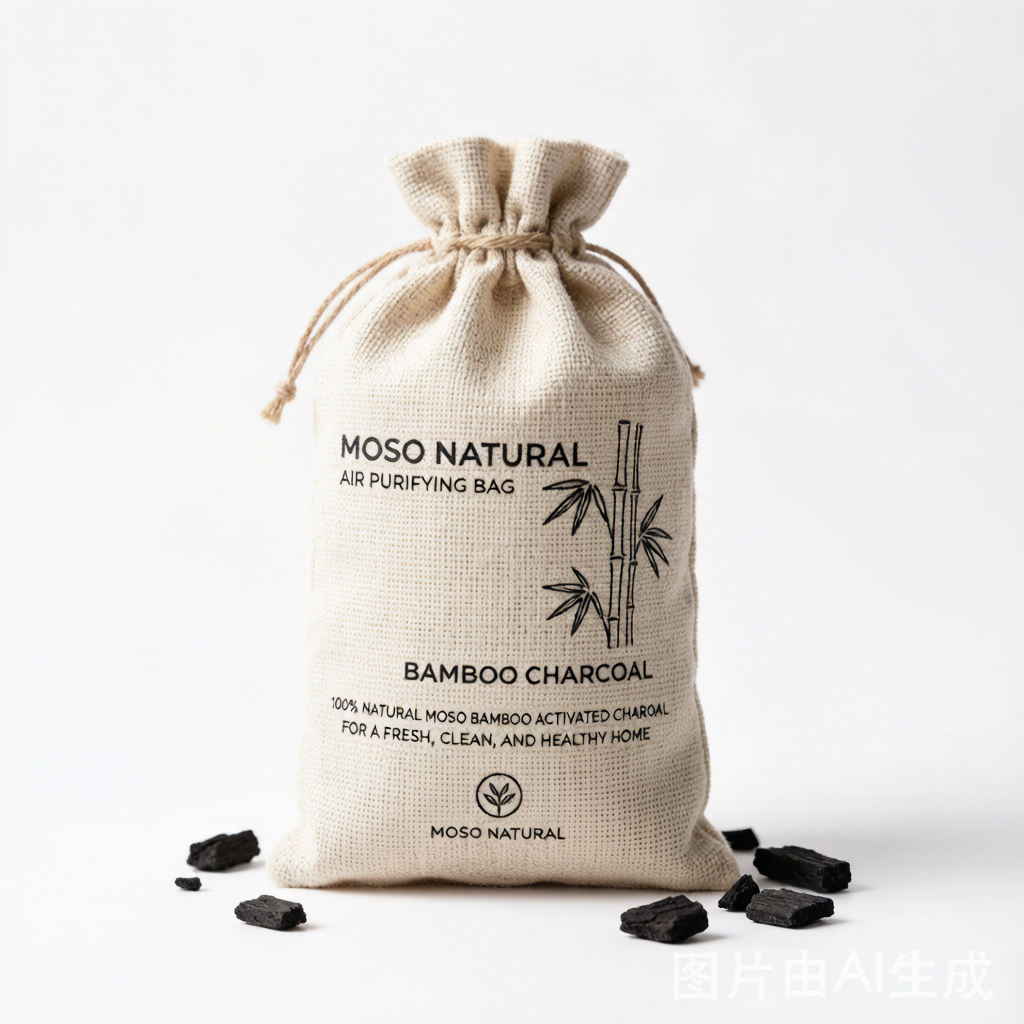
- Recipe #3: Activated Charcoal Sachets for Continuous Odor Control
- How to Deodorize Your Home: A Weekly Routine
- Best Products for Natural Pet Deodorizing (2026 Picks)
- Frequently Asked Questions
Quick Answer: The 3-Step Natural Deodorizing System
If you want results today, here is the short version. Step one: Sprinkle baking soda on carpets and upholstery, let it sit for 15 minutes, then vacuum. Step two: Wipe down hard surfaces with a 50/50 white vinegar and water solution (don’t worry, the smell disappears when it dries). Step three: Place open boxes of activated charcoal near litter boxes and pet beds. That’s it. No harsh chemicals, no fake scents, just natural deodorizers for home with pets that actually break down the odor molecules. Keep reading for the full breakdown, including recipes and product recommendations.
Why Your House Still Smells (And Why “Air Fresheners” Make It Worse)
Most commercial air fresheners are a scam. They don’t remove odors—they coat your nasal passages with a numbing chemical or release a heavier fragrance that “overpowers” the smell. For your pet, this is a nightmare. Many plug-in deodorizers contain phthalates and formaldehyde, which can trigger asthma, allergies, and even organ damage in dogs and cats. A 2021 study by the Journal of Veterinary Internal Medicine found that households using scented plug-ins had a 40% higher rate of respiratory issues in pets.
Instead, natural deodorizers for home with pets work through chemistry. Baking soda neutralizes acidic and alkaline odor molecules. Vinegar breaks down ammonia (the main culprit in urine). Activated charcoal traps volatile organic compounds. These methods are not only safer—they are far more effective in the long run.
If you are dealing with extreme shedding on top of the smell, check out our guide on the best dog brushes for shedding to cut down the dander before it even hits the air.
Recipe #1: The Ultimate Baking Soda Carpet Powder
This is the single most effective natural deodorizer for home with pets. You can buy commercial versions for $8 a bottle, or you can make a gallon for 50 cents. Here is the recipe I use in my own home.
Ingredients: 1 cup baking soda, 15 drops of lavender essential oil (only if your pet is not sensitive—skip for cats), 10 drops of lemon essential oil (optional for a fresh scent). Mix in a jar, shake well, and let it sit overnight so the oils distribute. Sprinkle generously over carpets, rugs, and upholstery. Let it sit for at least 15 minutes—30 is better for deep odors. Vacuum thoroughly.
Why it works: Baking soda is a salt that reacts with both acids and bases. Pet urine is usually acidic. Pet dander and saliva are slightly basic. Baking soda balances the pH, which removes the odor at a molecular level. The essential oils are purely for your enjoyment—they provide a light, natural scent without the synthetic chemicals.
Pro tip: If your dog has a favorite spot on the couch that smells like corn chips (yes, that’s a thing), sprinkle the powder directly on the fabric, work it in with a brush, and vacuum after 30 minutes. This also works on car interiors, mattress pads, and cat tree platforms.
Recipe #2: Vinegar Spray for Hard Surfaces and Accidents
White vinegar is the unsung hero of natural deodorizers for home with pets. It is cheap, non-toxic, and incredibly effective at breaking down the enzymes in urine and feces. The key is to use it correctly.
The Recipe: Mix 1 part white vinegar with 1 part water in a spray bottle. Add 10 drops of tea tree oil (optional—do not use around cats or birds) or orange oil. Shake well. Spray on hard floors, walls, baseboards, garbage cans, and even litter boxes (after cleaning). Let it sit for 5 minutes, then wipe dry.
Important warning: Do not use vinegar on natural stone (marble, granite, slate) as the acid can etch the surface. Do not use it on unsealed wood. For those surfaces, stick to the baking soda method.
How it neutralizes odor: Vinegar is acetic acid. Pet urine contains uric acid crystals that don’t dissolve in water. Vinegar breaks those crystals down, allowing them to be wiped away. The vinegar smell itself evaporates within 10 minutes, leaving behind a neutral, clean scent.
For old, set-in urine stains: Spray the vinegar solution, blot with a paper towel, then sprinkle baking soda over the wet area. The two will react, fizzing and lifting the stain. Let it dry completely, then vacuum. This double-action method is the gold standard for pet odor eliminator routines.
Recipe #3: Activated Charcoal Sachets for Continuous Odor Control
This is the “set it and forget it” method. Baking soda and vinegar require active effort. Activated charcoal works 24/7, silently absorbing odors from the air. It is the best natural deodorizer for home with pets for enclosed spaces like closets, laundry rooms, and litter box areas.
How to use it: Buy bamboo charcoal bags (about $15 for a 4-pack on Amazon) or loose activated charcoal powder in mesh sachets. Place one near the litter box, one in the laundry room where pet bedding is stored, and one under the couch. The charcoal absorbs moisture and odors for up to two years. Once a month, leave the bags in direct sunlight for an hour to “recharge” them.
Real-world example: My friend Sarah has three cats and a small apartment. She used to burn through expensive plug-in refills every month. She switched to two large charcoal bags—one by the litter box, one in the living room. After two weeks, she said her apartment smelled like “nothing.” That is the goal. No smell at all.
Where to buy: You can find them at Petco or on Amazon. Look for brands that use real bamboo charcoal without added fragrances. The unscented versions are the best pet safe deodorizer options because they don’t irritate sensitive noses.
How to Deodorize Your Home: A Weekly Routine
You don’t need to do all of this every day. Here is a realistic weekly routine that keeps your home fresh without driving you crazy.
Daily (5 minutes): Wipe down the litter box area and hard floors with the vinegar spray. Empty the trash if it contains pet waste bags. Fluff the charcoal bags.
Weekly (30 minutes): Sprinkle baking soda powder on all carpets, rugs, and upholstered furniture. Let it sit for 30 minutes while you clean other areas. Vacuum everything thoroughly. Wash all pet bedding in hot water with a cup of vinegar added to the rinse cycle. Wipe down walls and baseboards with the vinegar spray.
Monthly (1 hour): Deep clean the litter box (dump all litter, wash the box with vinegar and baking soda, dry completely). Steam clean carpets if you have a machine. Recharge your charcoal bags in the sun.
This routine is designed to use natural deodorizers for home with pets exclusively. No chemicals, no synthetic fragrances, no respiratory risks for your furry family members.
If you’re struggling with a dog that sheds like crazy, you might also enjoy our article on how often to bathe a shedding dog—it will cut down on the dander that causes odors in the first place.
Best Products for Natural Pet Deodorizing (2026 Picks)
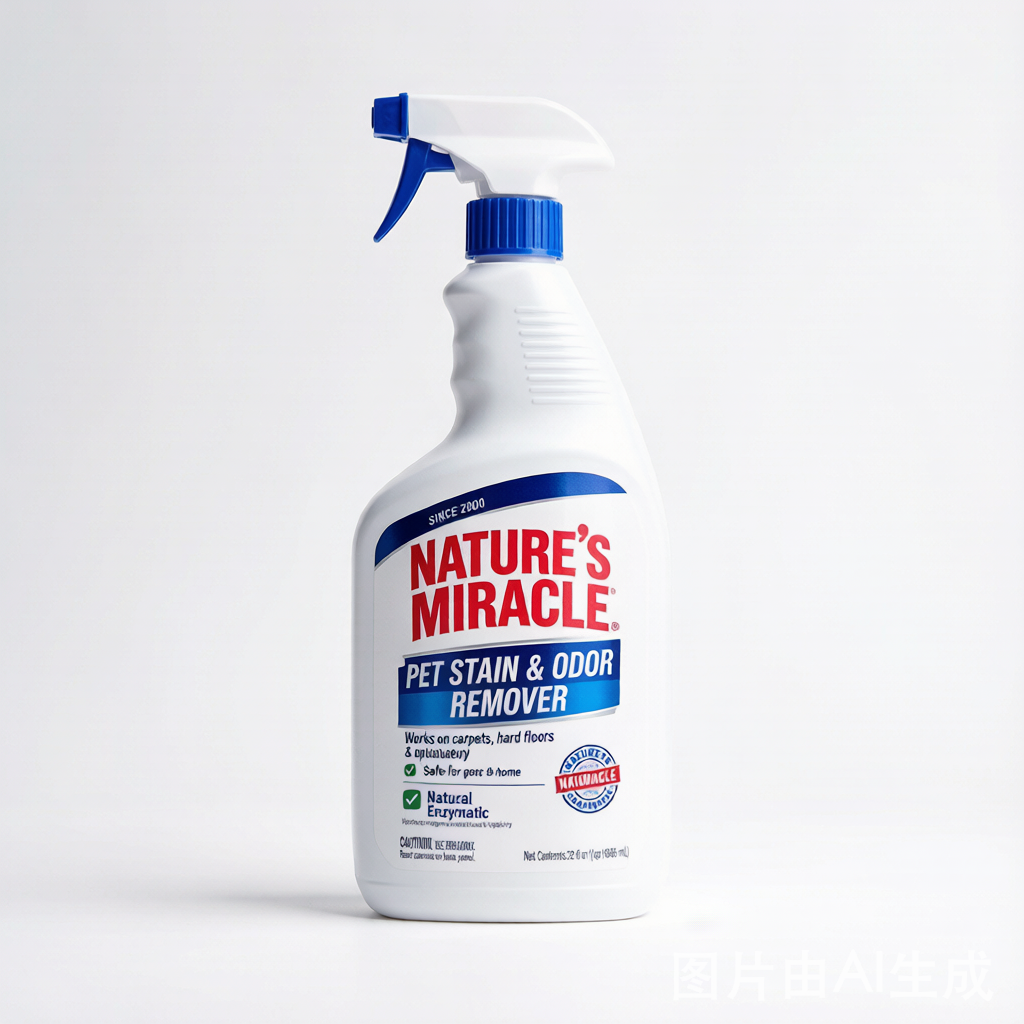
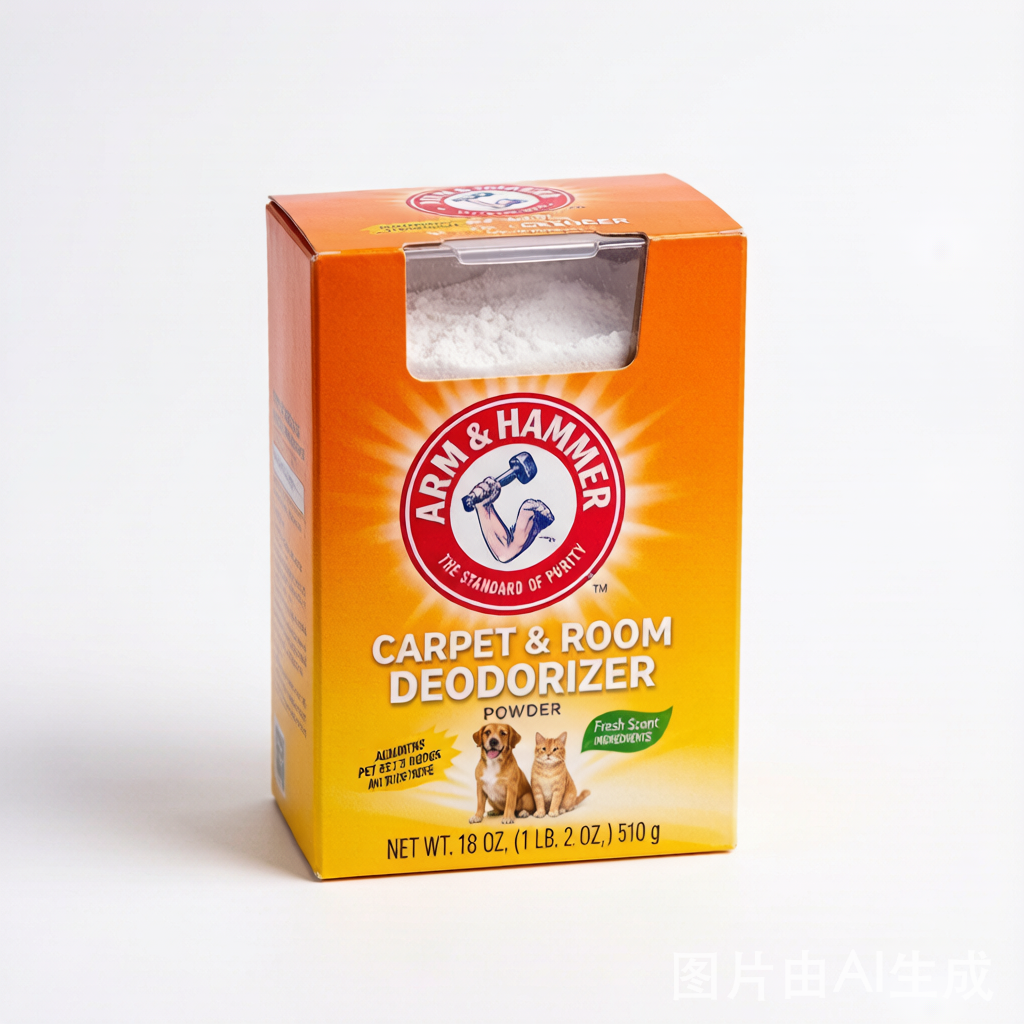
Sometimes you want a ready-made solution. Here are three products I personally recommend for natural deodorizers for home with pets. Each one is safe, effective, and available online.
Frequently Asked Questions
Is baking soda safe to use around dogs and cats?
Yes, baking soda is generally safe for pets when used as a powder on carpets and fabrics. However, do not let your pet inhale large amounts of the dust, and never let them eat it. If your dog ingests a large quantity, it can cause stomach upset or electrolyte imbalances. Keep them out of the room while the powder sits, and vacuum thoroughly before letting them back in.
How often should I use a natural deodorizer in a pet home?
For most homes, a weekly deep deodorizing session is enough. Use the baking soda powder on carpets once a week, the vinegar spray on hard surfaces every few days, and keep charcoal bags out 24/7. If you have multiple pets or an elderly pet with accidents, you may need to do spot treatments daily.
What is the best essential oil for pet odor?
Lavender and lemon are the safest and most effective essential oils for masking and neutralizing pet odors. However, be very cautious with essential oils around cats—they lack the liver enzymes to break down many compounds. Never use tea tree, peppermint, or eucalyptus oils around cats or small dogs. Always dilute oils heavily and ensure good ventilation.
Shop pet odor eliminator on Amazon & Chewy
Comparing prices before you buy? Check current deals and read reviews from other pet owners.